


Electronic and PCB design for IoT devices
We design electronics and PCBs to integrate power, sensors, interfaces, communications and the mechanical constraints of the IoT product.
Design and development of IoT devices with hardware, firmware and connectivity ready for validation and deployment.

At Pleeda, we design and develop IoT devices for teams that need to capture data, communicate in the field and operate reliably in real environments.
We design the electronics, firmware and connectivity architecture so the project reaches a validated prototype and is ready for manufacturing, industrialization and future evolution. If the product needs mechanical integration, we can also cover that part of the development.





End-to-end IoT device development
We help you develop the electronics, embedded firmware, communications and mechanics needed to turn an idea into an IoT device ready to be validated, manufactured and used in a real environment.
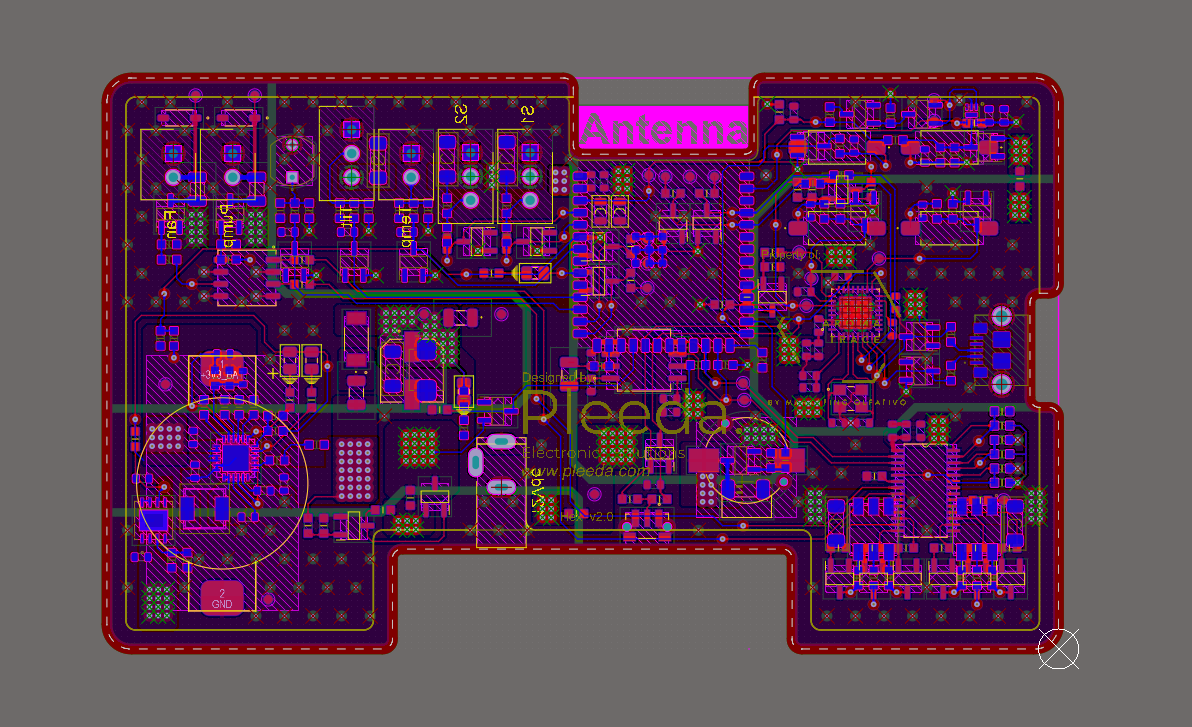
We design electronics and PCBs to integrate power, sensors, interfaces, communications and the mechanical constraints of the IoT product.


We implement embedded firmware for control, communications, diagnostics and stable field operation of the IoT device.


We integrate 2G, 3G, 4G, 5G, LTE, NB-IoT, WiFi, BLE, LoRa, Zigbee, PLC and protocols such as MQTT, HTTP or others required by the product.


We validate power consumption, communications, robustness and hardware-firmware integration in prototypes to reduce risks before pre-series or production.


We prepare documentation, suppliers, technical decisions and quality tests to manufacture IoT devices with traceability and quality.



We design with applicable regulations in mind and support testing, technical documentation and CE marking for the European market.
Application sectors
We collaborate on IoT projects for industries that need to capture data, connect equipment, automate processes or supervise assets in real operating conditions.
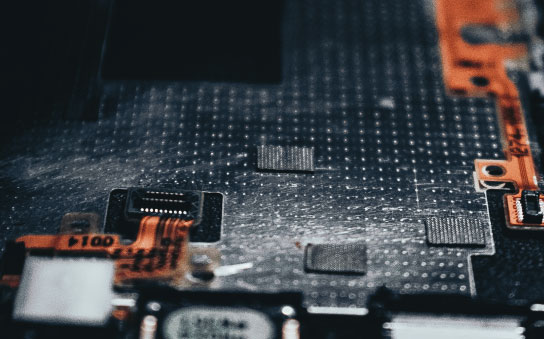
Industry 4.0
Connected electronics for data capture, predictive maintenance and operational visibility on the plant floor.
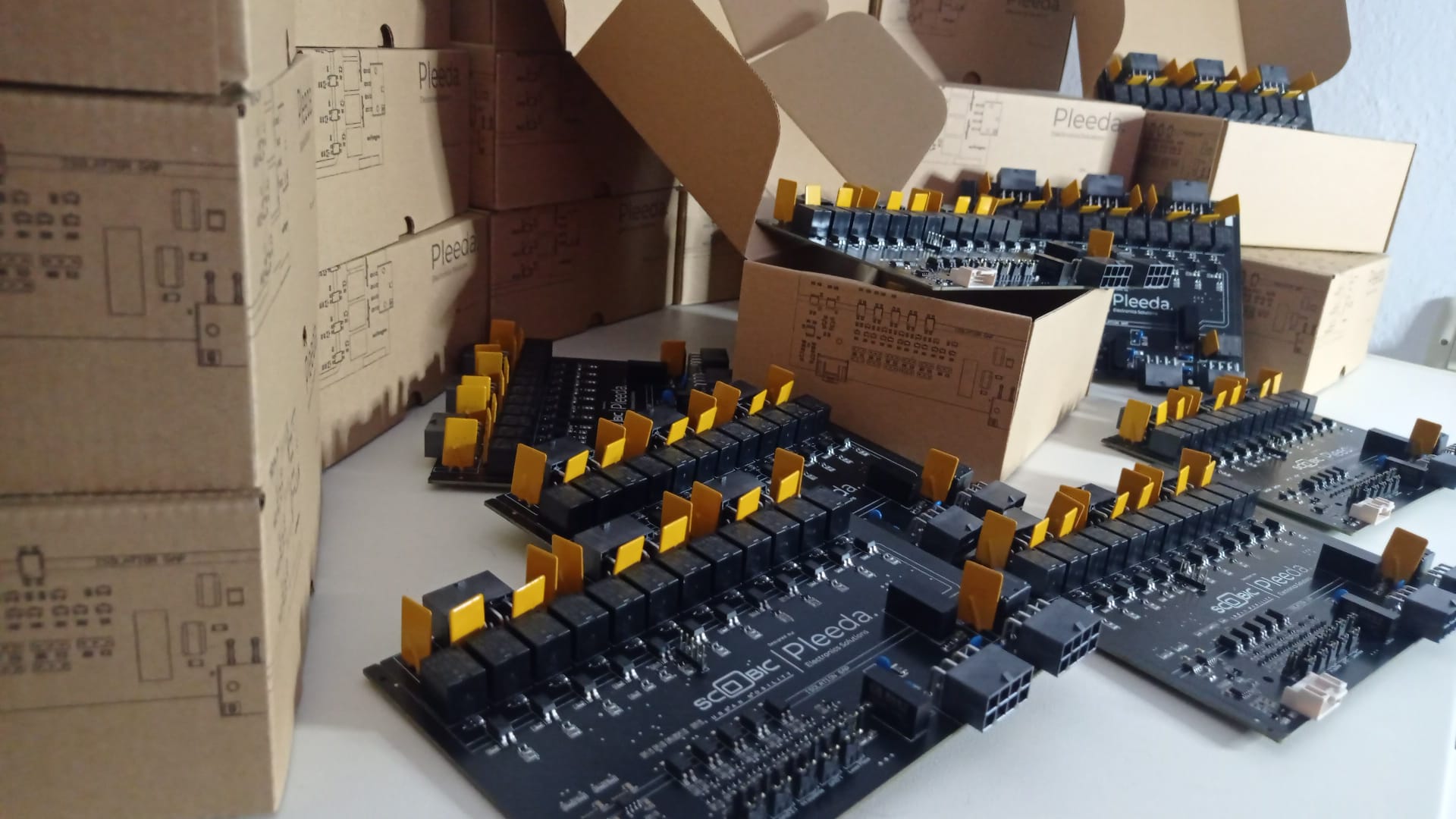
Logistics and mobility
Connected devices for location, remote diagnostics and control of equipment operating outside a fixed network.

Energy
IoT products to read variables, detect incidents and optimize consumption in installations or distributed equipment.
Healthcare and specialized equipment
Projects where system stability, traceability and validation matter more than a simple proof of concept.
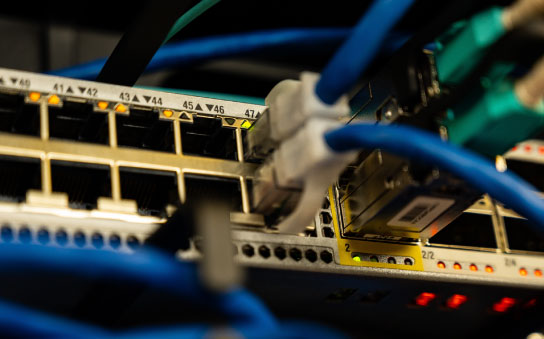
Consumer electronics
IoT device development focused on user experience, stable connectivity and product evolution in the market.
Our roadmap
We define each phase with you, align requirements and develop through a clear process up to product validation, manufacturing and certification.
Connectivity and architecture
We do not approach IoT as a set of isolated modules. We define the communications, power, sensing and firmware architecture so the device operates reliably in its real usage context.
This includes selecting the right connectivity technology, designing the electronics around the module and preparing a solid base for telemetry, remote control, updates and field operation in custom IoT projects.

4G and 5G: For field-deployed equipment that needs cellular coverage, telemetry and remote access without depending on a local network.
WiFi and Bluetooth Low Energy: Suitable for products connected to existing networks or devices that interact with a user, app or nearby gateway.
LoRa, Zigbee and PLC: Useful options when the product requires low power, long range, home automation or communication over the electrical network.
MQTT and HTTP: We design the communication layer to connect the device with cloud services, data dashboards or integration systems.
Development process
An IoT project requires more than choosing a connectivity option. Hardware, firmware, power consumption, validation and future industrialization must be aligned to reduce iterations and avoid costly redesigns.
That is why we work through a clear sequence of architecture, development, testing and technical support that helps teams make sound decisions from the first phase, both in new IoT products and in redesigns of existing devices.

Architecture definition: We clarify connectivity, power, sensing, maintenance and deployment requirements before starting the design.
IoT electronics and PCB design: We develop custom electronics around the modules, interfaces and constraints of the real product.
Firmware and communications: We implement embedded logic, data exchange, diagnostics and state control for the expected device behavior.
Technical validation: We test consumption, robustness, communication stability and integration between hardware, firmware and environment.
Manufacturing and certification support: We prepare deliverables and technical criteria that help manufacture, certify and maintain the product with less friction.
Related technical case
In one of our projects, we designed a SIM7600G-based modem PCB to add cellular connectivity to modular equipment through USB, with a base prepared for telemetry, remote diagnostics and international deployments.
This type of work reflects our IoT approach: clear architecture, simple integration and real scaling criteria from the initial design.
Answers to common questions when a company is considering the design and development of a custom IoT device.
Are you defining a custom IoT product or reviewing an existing device? Tell us about your project and we will review the best technical approach with you.
Tell us about your projectPleeda Solutions
Cookie settings
At Pleeda Solutions, we use cookies and similar technologies to keep the site working, remember your preferences and analyze platform usage. If you enable optional categories, we may share browsing data with analytics, social media and advertising providers in accordance with our cookie policy.
Required for security, session management and basic site functions.
Store options such as language, region and personalized settings.
Help us measure performance and improve the browsing experience.
Allow us to show content and campaigns that are more relevant to you.